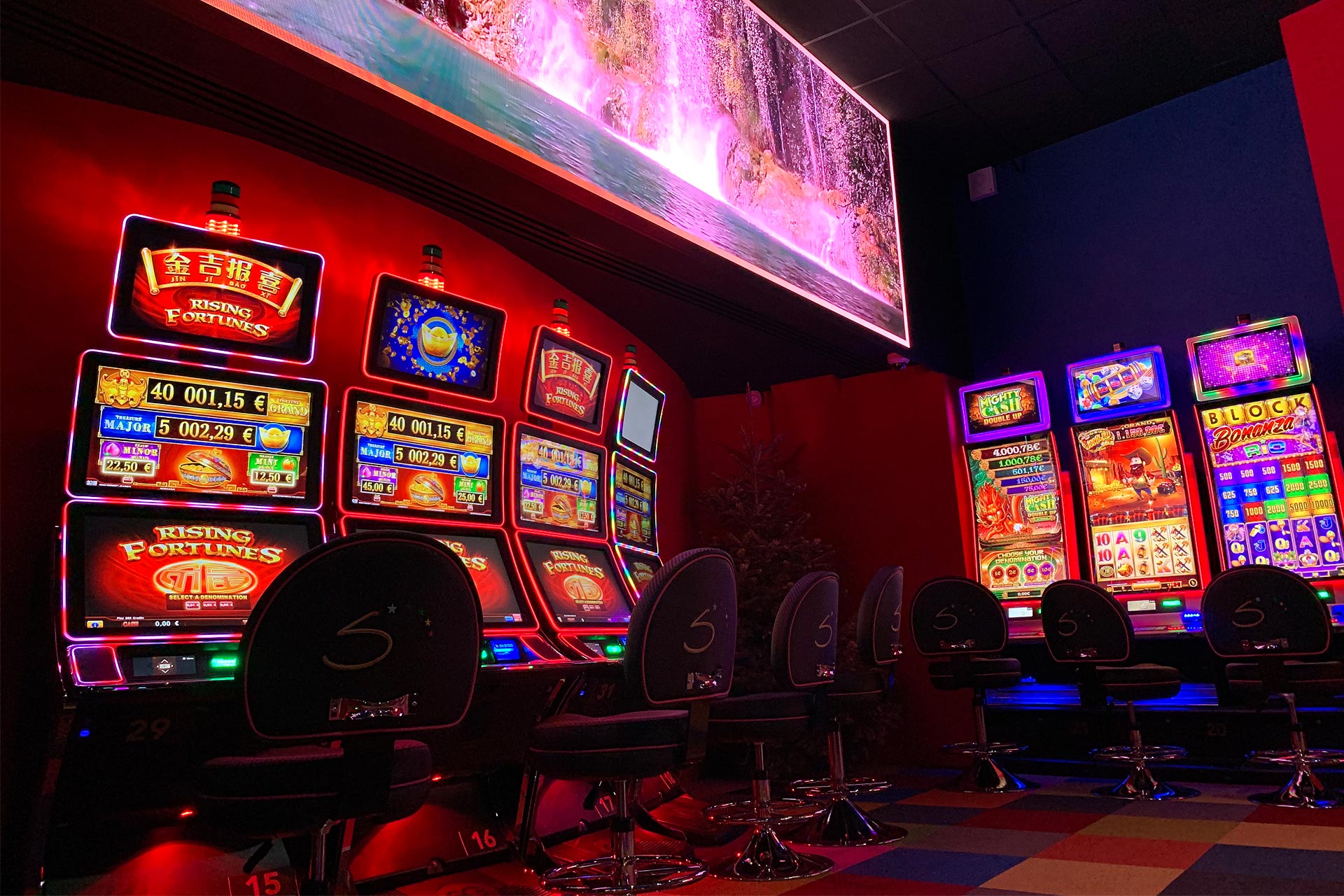
Exploring cultural perceptions of gambling across different societies
Understanding Gambling in Western Cultures
In many Western societies, gambling is often viewed as a form of entertainment, a leisure activity that can range from casual betting among friends to high-stakes casino experiences. This perspective is bolstered by the prevalence of legalized gambling in countries like the United States and parts of Europe, where state regulations govern the industry, and casinos are celebrated as tourist attractions. The notion of the “high roller” has emerged in popular culture, often depicted in films and media as glamorous and exciting, showcasing the allure of significant financial risk coupled with the potential for substantial rewards, especially when engaging in real money poker.

However, despite its entertainment value, gambling in Western cultures also carries a stigma. Concerns over addiction and financial ruin loom large, leading to a complex relationship between society and the gambling industry. Many communities advocate for responsible gambling, emphasizing the importance of moderation and awareness of the risks involved. This duality in perception illustrates a societal tension between enjoyment and caution surrounding gambling practices.
Cultural Attitudes in Asian Societies
In contrast to Western views, various Asian societies exhibit a spectrum of attitudes towards gambling. In countries like China, gambling is deeply woven into cultural practices, often linked to festivals and traditions. For instance, during Chinese New Year, games of chance are popularized as a means to usher in good fortune. The revered status of games such as Mahjong not only represents leisure but also signifies social bonding among families and communities.
Nevertheless, the approach to gambling is not without its challenges. Many Asian nations impose strict regulations or outright bans on gambling establishments due to concerns about social implications and gambling addiction. This creates a paradox, as illegal gambling networks thrive despite official prohibitions, highlighting a significant cultural conflict between traditional values and modern recreational practices.
The Role of Religion in Gambling Perspectives
Religion plays a pivotal role in shaping cultural perceptions of gambling across the globe. In many Islamic cultures, gambling is prohibited by religious doctrine, regarded as a sinful activity that undermines moral integrity and social responsibility. The strong religious beliefs surrounding gambling create a collective societal stance that discourages participation, leading to a unique approach to recreational activities that do not involve chance.
Conversely, in certain Western religions, attitudes towards gambling vary widely. Some Christian communities view gambling as a form of entertainment that can be enjoyed responsibly, while others denounce it entirely, citing moral implications. These religious interpretations significantly influence societal norms, leading to varied regulations and cultural practices regarding gambling in different regions.
Influence of Globalization on Gambling Practices
Globalization has drastically transformed the gambling landscape, leading to cross-cultural exchanges that influence perceptions and practices. With the advent of online casinos and international gambling destinations, individuals from diverse backgrounds are exposed to various gambling styles and behaviors. This interaction fosters a blending of cultural attitudes, where traditional views may evolve or adapt in response to new influences.
The accessibility of online gambling has also raised discussions about responsible gaming across cultures. As more individuals engage in online platforms, the need for regulation and education becomes imperative. Cultures once hesitant to embrace gambling may begin to adopt more open attitudes as they navigate the complexities of modern gambling environments, challenging long-standing beliefs and practices.

Website Insights on Gambling Culture
Our website serves as a comprehensive resource for understanding the diverse cultural perceptions of gambling around the world. By exploring different societies’ views on gambling, we aim to provide insights that help individuals grasp the intricacies of this multifaceted topic. We delve into various aspects, including historical contexts, legal frameworks, and social implications, allowing readers to form a well-rounded understanding of gambling’s role in different cultures.
Additionally, our platform encourages responsible gambling practices by offering tools and resources for individuals seeking to engage in gambling activities mindfully. With a commitment to fostering informed discussions, we hope to contribute positively to the conversation around gambling across societies, reflecting the complexities and nuances inherent in cultural perceptions of this age-old pastime.